


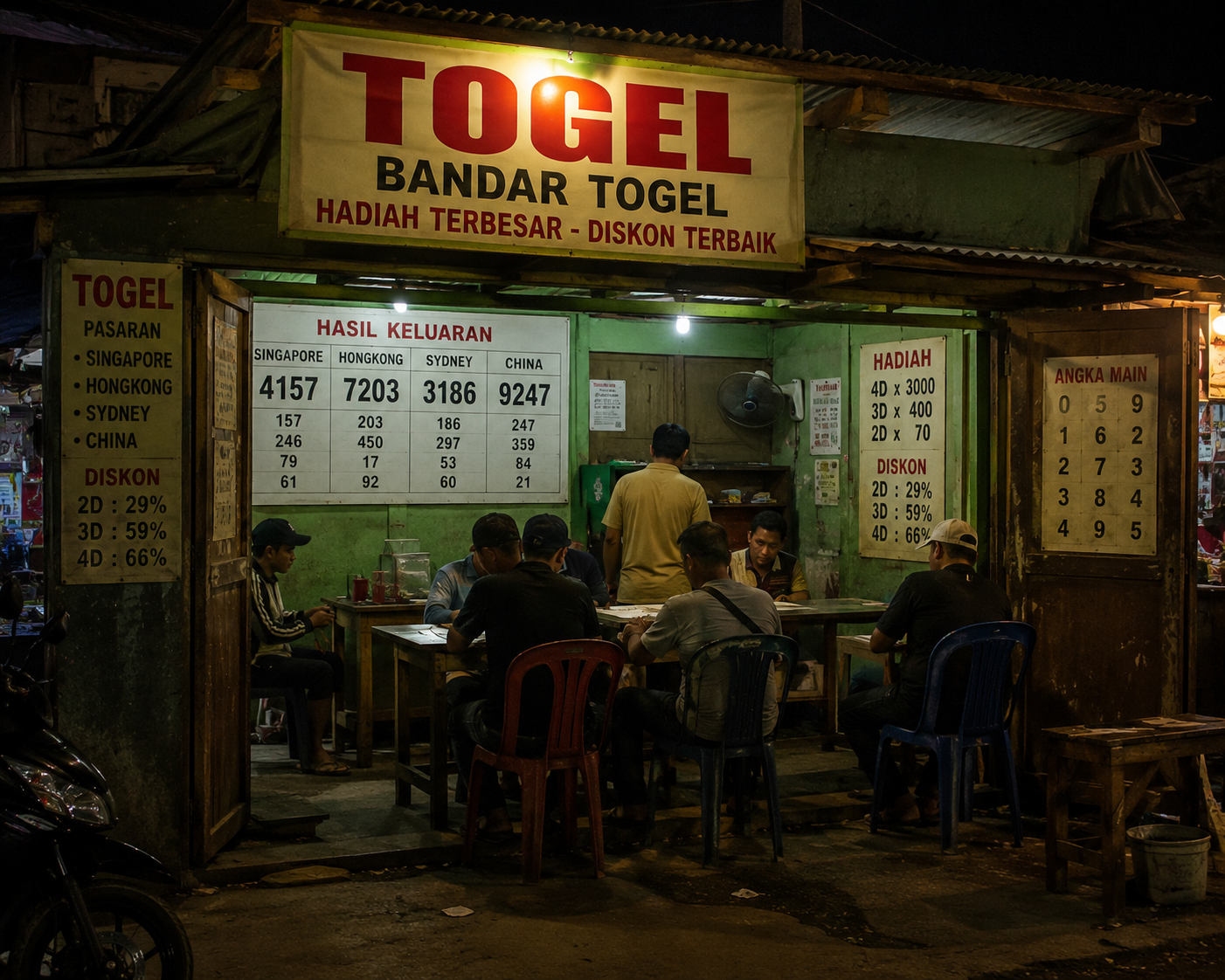
Bagi banyak keluarga kecil di daerah terpencil Papua Barat Daya, selembar kertas lotre bukan lagi sekadar tebakan angka. Kertas itu telah menjadi bayang-bayang yang merenggut ketenangan hidup mereka.
Di balik taruhan besar tersebut, terdapat hilangnya uang belanja kebutuhan pokok, anak-anak yang putus sekolah, serta runtuhnya masa depan penduduk kampung secara perlahan.
Kekhawatiran ini bukanlah sekadar ketakutan yang tidak berdasar. Data nasional dari Pusat Pelaporan dan Analisis Transaksi Keuangan (PPATK) mengungkap kenyataan yang memprihatinkan: sekitar 80 persen pelaku judi berasal dari kalangan masyarakat berpenghasilan rendah, dengan rata-rata transaksi harian sebesar Rp100.000.
Uang yang seharusnya berputar di dalam kampung untuk membeli ikan dari nelayan, sayuran dari petani, atau berbelanja di warung setempat kini justru menguap begitu saja masuk ke kantong para bandar judi togel. Akibatnya, roda ekonomi akar rumput benar-benar macet total. Warung-warung menjadi sepi, usaha-usaha kacau balau, dan berbagai dampak sosial mulai bermunculan mulai dari masalah utang berantai dan kasus pencurian hasil panen, hingga hancurnya keutuhan rumah tangga.
Melihat kenyataan memilukan ini kian akrab dalam kehidupan sehari-hari, Pemuda Demokrat Indonesia Provinsi Papua Barat Daya akhirnya memutuskan untuk bertindak. Mereka akan menyampaikan langsung keluh kesah rakyat kecil ke hadapan aparat penegak hukum.
“Kami berpendapat bahwa praktik perjudian togel tidak boleh dibiarkan menjadi bagian dari kehidupan masyarakat. Perjudian bukan sekadar masalah hukum, melainkan juga dapat menimbulkan dampak sosial dan ekonomi, khususnya bagi keluarga dan masyarakat golongan ekonomi bawah,” ujar Jamaludin, Wakil Ketua Pemuda Demokrat Indonesia Papua Barat Daya.
Melintasi Batas Kota, Menyisir Desa:
Selama ini, operasi pemberantasan perjudian sering kali hanya terlihat di jalan-jalan utama atau pusat kota besar. Namun, dampak buruk dari praktik angka-angka mistis ini telah menyebar luas, bahkan merambah hingga ke dapur-dapur di kampung terpencil yang jauh dari jangkauan publik.
Peredaran uang ilegal ini nyata dan berskala besar. Catatan penegak hukum dari Kepolisian Daerah Papua bahkan mengungkap bahwa jaringan perjudian togel yang beroperasi di Papua mampu meraup pendapatan hingga Rp2 miliar dalam sehari. Bayangkan betapa besarnya uang hasil jerih payah warga kampung yang terkuras setiap harinya demi mimpi kosong yang dijajakan oleh para bandar.
Oleh karena itu, Jamaludin menegaskan bahwa upaya melindungi masyarakat tidak boleh dilakukan setengah-setengah. Pemberantasan harus menjangkau seluruh kabupaten dan kota di Papua Barat Daya, tanpa ada satu pun yang tertinggal.
“Kami mendesak Kapolda Papua Barat Daya untuk bersikap tegas dan lugas dalam memberantas perjudian togel. Jika ditemukan adanya praktik perjudian, tindaklah dengan tegas sesuai hukum yang berlaku. Jangan hanya menindak pengecer di lapangan, tetapi usut juga para bandar, jaringannya, serta pihak-pihak yang berada di balik semua itu,” desak Jamaludin dengan nada geram.
Berhenti Menangkap “Ikan Kecil”
Dalam praktiknya, sering kali justru pengecer kecillah yang terjerat dalam pusaran masalah hukum. Mereka adalah warga biasa yang tergiur oleh iming-iming keuntungan cepat. Sementara itu, para bos besar yang mengendalikan bisnis ilegal ini tetap bebas menghirup udara segar dan menikmati kekayaan di atas penderitaan rakyat kecil.
Dalam skala makro, besaran bisnis ilegal ini sungguh mencengangkan. Kementerian Komunikasi dan Digital, bersama Pusat Pelaporan dan Analisis Transaksi Keuangan (PPATK), memproyeksikan bahwa potensi kerugian ekonomi akibat aktivitas perjudian di Indonesia dapat mencapai Rp1.100 triliun jika tidak ditangani secara menyeluruh. Dana dalam jumlah sangat besar ini dinikmati oleh para bandar besar, sementara ekonomi tingkat kampung perlahan mengalami stagnasi karena uang yang seharusnya beredar di sana justru tersedot oleh jaringan perjudian.
Bagi Jamaludin, penegakan hukum yang hanya menyasar kalangan akar rumput tidak akan pernah menyelesaikan masalah. Masyarakat membutuhkan perubahan nyata, bukan sekadar drama hukum yang tiada habisnya.
“Jangan hanya menangkap ikan-ikan kecil. Jika benar-benar ingin memberantas perjudian togel, bongkar jaringannya. Siapa bandarnya, siapa yang mengendalikannya, dari mana asal transaksinya, dan siapa pun yang terbukti terlibat harus diproses secara hukum,” tegasnya.
Ia juga menambahkan, “Kami tidak ingin pemberantasan perjudian togel hanya menjadi operasi sesaat. Masyarakat membutuhkan tindakan nyata dan berkelanjutan. Tutup tempat-tempat yang digunakan untuk transaksi perjudian, tindak tegas jaringan yang terbukti melanggar hukum, dan pastikan tidak ada seorang pun yang kebal hukum.”
Lima Harapan bagi Masa Depan Papua Barat Daya
Sebagai wujud tanggung jawab moral untuk menjaga kedamaian hidup warganya, organisasi kepemudaan ini telah merumuskan lima tuntutan utama yang ditujukan kepada Kepala Kepolisian Papua Barat Daya:
- Bersihkan Tanpa Sisa: Segera berantas perjudian lotere di seluruh wilayah Papua Barat Daya.
- Penegakan Hukum yang Adil: Tindak tegas pihak mana pun yang terbukti terlibat dalam praktik perjudian sesuai dengan ketentuan hukum yang berlaku.
- Putus Kepala Ular: Bongkar jaringan perjudian dan bandar besarnya, bukan sekadar menindak pelaku tingkat bawah.
- Tanpa Pelindung: Pastikan tidak ada praktik pembiaran atau perlindungan terhadap aktivitas perjudian ilegal.
- Bergerak Bersama Rakyat: Lakukan operasi pemberantasan secara berkelanjutan dan transparan dengan melibatkan partisipasi masyarakat.
Harapan ini lahir semata-mata dari kerinduan mendalam akan tanah Papua yang damai, sehat secara ekonomi, serta aman bagi tumbuh kembang anak dan cucu.
“Kami ingin Papua Barat Daya menjadi wilayah yang aman, tertib, dan bebas perjudian. Oleh karena itu, kami meminta Kapolda Papua Barat Daya untuk menunjukkan keberanian dan ketegasan dalam penegakan hukum. Kita tidak boleh membiarkan perjudian togel berkembang dan merusak masyarakat kita,” pungkas Jamaludin.


Tinggalkan Balasan
Anda harus masuk untuk berkomentar.